
Argentina’s economic team is cautiously looking at the impact upcoming increases in energy gas prices tariffs will have on inflation in the first quarter of 2023, but there is oxygen on the way in the form of Vaca Muerta and the Néstor Kirchner gas pipeline.
The last thing President Alberto Fernández’s government wants is to be caught in the same trap as the administration led by his predecessor, Mauricio Macri. But Argentina’s agreement with the International Monetary Fund includes a commitment to reduce energy subsidies and increase prices. The first public hearings began to be held on upcoming increases for electricity firms, which have already announced that they are receiving less than 40 percent of what is paid in each resident’s bill. This is a tense road for the government, and it has only just begun to travel it. The Economic Cabinet, led by Sergio Massa, knows that it will have to maintain a delicate balance.
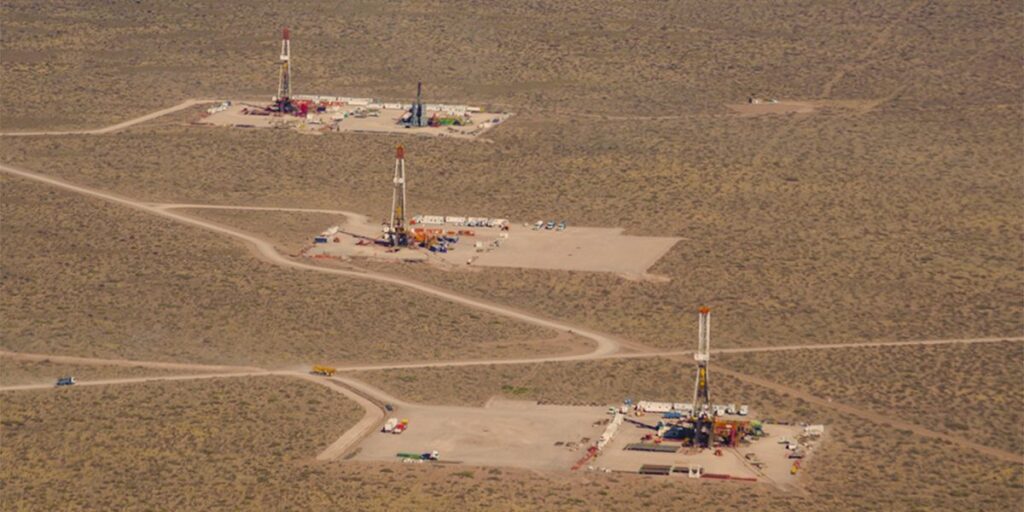
Yet, when it comes to Vaca Muerta and the Néstor Kirchner gas pipeline, the government is optimistic. The enormous non-conventional oil and gas deposit, despite the national political ups and downs of the past decade, is almost the only state policy that all governments have maintained over that period.
The breath of fresh air has several factors. The most important: less demand for dollars for energy imports, a stated requirement from the IMF and a necessity for the government’s accounts in an election year. Every year, the country requires around US$9 billion for foreign energy purchases and it is imperative, if nothing else, to reduce this figure. If, in addition, exports of crude oil and gas rise in times of high global demand for such goods amid comfortable international prices, so much the better, government officials said.
The bet on this sector improves production projections for both conventional and non-conventional products, which already represent 45 percent of total oil production, according to the Energy Secretariat. Moreover, within this share, activity from Vaca Muerta continues to rise, with 276,500 barrels per day, an increase of 33.9 percent compared to 2021, said the department headed by Flavia Royón.
There is one fact that improves the outlook even further. The businessmen linked to the Néstor Kirchner pipeline are optimistic they could be cutting the ribbon in the middle of this year (as close to the elections as possible, an enthusiastic Casa Rosada said).
The most powerful business leaders, those who have invested the most in the project, are following the work’s progress. At Techint, for example, engineers and executives are already putting in a lot of extra hours beyond their daily work, with the company’s CEO, Paolo Rocca, making no effort containing his enthusiasm about the project’s progression.
The impact of this last point, very strong for the Aduana customs agency led by Guillermo Michel. The oil firms that are heavily involved in Vaca Muerta’s related projects and their network of suppliers recognise that each request is being presented in timely manner to the customs authorities and that everything ”is working like clockwork.”
by Alejandro Gallo, Perfil
SOURCE: batimes.com.ar