
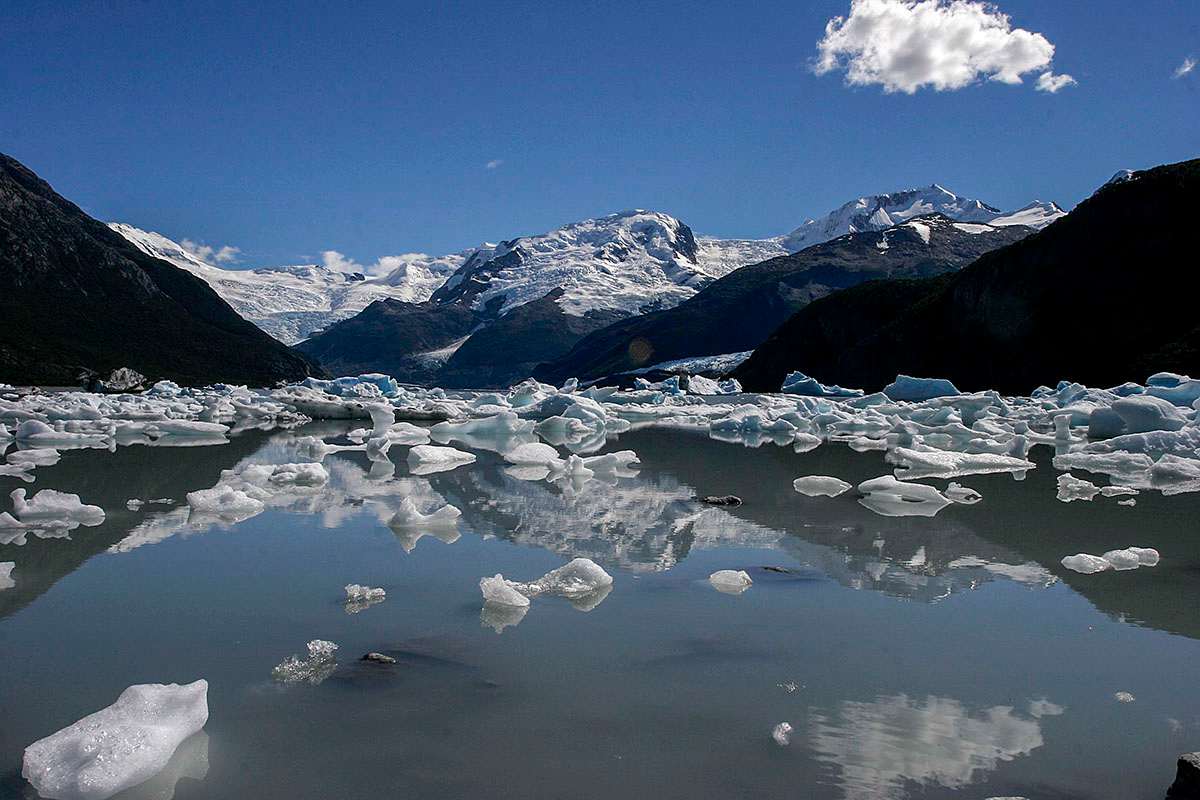
The administration seeks to redefine periglacial zones to unlock multi-billion dollar investments in copper and lithium projects.
The Milei administration has officially sent a bill to Congress to amend the Glacier Protection Law, a move that has sparked an immediate showdown between the mining industry and environmental organizations. The proposal aims to modify the current legal definitions of protected areas, which the government argues are “excessively broad” and currently hinder the development of strategic mining projects in the Andes.
The core of the controversy lies in the periglacial zone. The new bill seeks to restrict protection only to glaciers that are “active” and provide a “significant and verifiable” water function, potentially removing current restrictions on areas that contain frozen ground but do not act as primary water sources.
Economic Ambitions
The Ministry of Mining stated that this reform is essential to attract the massive capital required for large-scale copper and lithium extraction. According to government estimates, at least five major projects in San Juan and Catamarca are currently “stalled” due to the legal ambiguity of the existing 2010 law.
“Argentina is sitting on a wealth of minerals that the world needs for the energy transition,” said a government spokesperson. “We can protect our environment while also becoming a global mining powerhouse. These two goals are not mutually exclusive.”
Environmental Backlash
Environmental groups, including Greenpeace and the Argentine Association of Environmental Lawyers, have denounced the bill as a “setback for climate resilience.” They argue that periglacial areas act as critical water reserves, especially during the prolonged droughts that have recently affected the Cuyo and Patagonia regions.
-
Water Security: Experts warn that disturbing these fragile ecosystems could permanently damage the headwaters of rivers that sustain local agriculture.
-
Legal Challenges: Opponents have already signaled that if the bill passes, they will take the matter to the Supreme Court, claiming it violates the principle of “non-regression” in environmental law.
Congressional Outlook
The bill is expected to face a heated debate in the commissions. While governors from mining provinces like San Juan and Santa Cruz have expressed their support, the “green” caucus in the legislature remains skeptical. The vote will be a key test for the government’s ability to balance its pro-investment agenda with environmental sustainability concerns.
SOURCE: buenosairesherald.com